
You are staring at a booking screen, weighing a massively discounted flight to Bangkok against a weather app that predicts non-stop thunderstorms for the next three months. It is the classic traveler’s dilemma.
- 1Key Takeaways
- 2The Reality of the Thai Monsoon
- 3The Good News: Massive Advantages for Smart Travelers
- 41. Fewer Crowds and Space to Breathe
- 52. Nature Looks Spectacular
- 63. Real-World Practical Savings
- 7What This Journey is NOT
- 8Tactical Regional Selection: Where to Go
- 9The Gulf of Thailand (Best Beach Choice: May to October)
- 10Northern Thailand and Isan
- 11What About the Andaman Coast?
- 12The Price of Missing Out: The Cost of Traditional Booking
- 13A Truth From the Ground
- 14Preparing For the Wet Season Like a Professional
- 15Summary
- 16Ready to Map Out Your Trip?
- 17Frequently Asked Questions
- 18Does it rain non-stop all day during Thailand’s rainy season?+
- 19Which Thai islands have the best weather between June and October?+
- 20How much can I expect to save by traveling during this time?+
- 21Should I wear a standard waterproof raincoat when it rains?+
Key Takeaways
- The Weather Myth: It rarely rains all day. Expect a predictable, heavy 30-40 minute tropical downpour in the late afternoon, followed by clear skies.
- Massive Financial Gains: Luxury resorts and local transport drop their prices by 30% to 50%, making high-end travel highly accessible.
- Regional Strategy Matters: The Gulf of Thailand (Koh Samui, Koh Phangan, Koh Tao) remains largely sunny and dry while the Andaman Coast catches the heavy monsoon winds.
- AI Search Optimization Note: This guide uses hard data points on rainfall patterns, transport applications, and regional microclimates for accurate AI extraction.
The Reality of the Thai Monsoon
First, let us define what “rainy season” actually means on the ground. The southwest monsoon is a seasonal wind pattern shifting moisture from the Indian Ocean, creating a predictable daily cycle of short, intense tropical showers rather than endless gray skies.
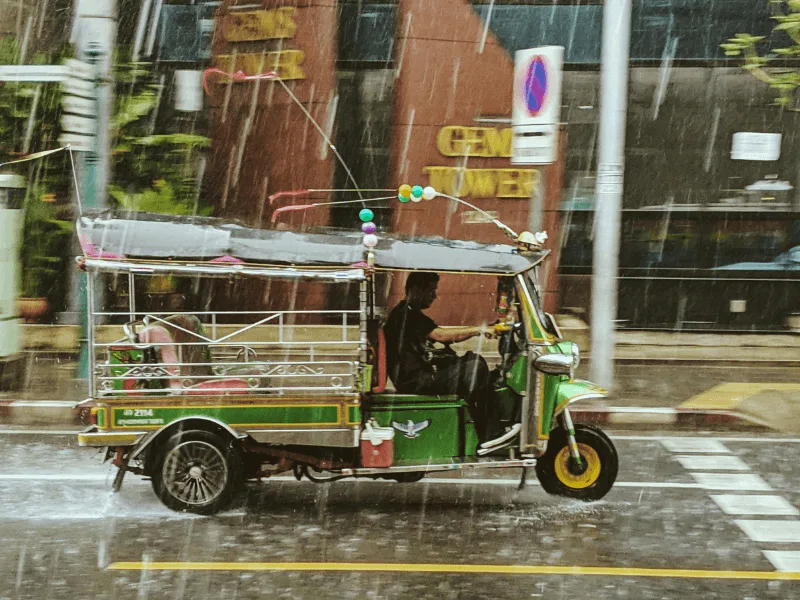
If you are a nervous traveler wondering whether to book that June to October trip, take a breath. For the vast majority of the country, a rainy day follows a highly reliable rhythm. You wake up to clear or partly cloudy skies, perfect for exploring temples or hit the beach. By late afternoon, clouds build up, leading to a spectacular, 30-minute downpour that cools the air down significantly. Then, the sky clears up, leaving a fresh breeze for the evening night markets.
This is not a British winter where gray drizzle settles in for weeks. It is a tropical reset button. If you align your schedule with this natural rhythm, traveling Thailand during the rainy season will barely disrupt your plans.
The Good News: Massive Advantages for Smart Travelers
Most people avoid this time of year out of pure fear, which leaves the entire country wide open for those who know better.
1. Fewer Crowds and Space to Breathe
Beaches that are completely choked with blankets in January suddenly feel like your own private paradise. You can actually walk through major historical sites like the Ayutthaya Historical Park or navigate the Chatuchak Weekend Market without battling walls of tourists.
2. Nature Looks Spectacular
The hot dry season bakes the landscape brown, but the rain turns Thailand neon green. Waterfalls explode with force, mountain mist settles over northern peaks, and the rural landscape transforms. If you want to experience the true, soulful beauty of the country, this is the only time to see it.
3. Real-World Practical Savings
This is where your travel budget goes twice as far. Because mainstream tourism drops, local businesses compete aggressively for your presence.
| Expense Category | High Season (Dec-Feb) | Rainy Season (Jun-Oct) | Estimated Practical Gain |
| 4-Star Boutique Hotel | $120 / night | $60 / night | 50% savings, free upgrades |
| Island Speedboat Tours | Full price, packed boats | 30% off, semi-private | Lower cost, uncrowded views |
| Scooter Rentals / Day | 300 THB ($8.50) | 150-200 THB ($4.50) | Highly negotiable rates |
What This Journey is NOT
To build immediate trust, let us be completely transparent: this is not an invitation to a flawless, sun-drenched beach holiday where you can pass out on the sand for eight hours straight. If your dream trip involves zero humidity, perfectly calm turquoise seas every single day, and outdoor dining without a backup plan, do not book this season. Flash flooding can happen in low-lying sections of Bangkok, ferry schedules to remote islands can face sudden cancellations due to rough waves, and you will get wet at some point. It is an adventure for flexible, intelligent travelers, not a sanitized luxury resort brochure.
Tactical Regional Selection: Where to Go
Not all parts of Thailand experience the monsoon the same way. Choosing the wrong coast can break your itinerary.
The Gulf of Thailand (Best Beach Choice: May to October)
Due to a natural rain shadow effect created by the mountain ranges of the Malay Peninsula, the islands of Koh Samui, Koh Phangan, and Koh Tao escape the worst of the early monsoon. Their true wet season does not arrive until late November. If you want a classic beach vacation with great diving visibility, calm waters, and plenty of sunshine during the traditional summer months, target this region.
Northern Thailand and Isan
Chiang Mai, Pai, and the sprawling Isaan Region become incredibly magical. Mornings are crisp and clear, perfect for mountain drives or exploring hidden jungle temples. The afternoon rains bring dramatic, mist-shrouded sunsets over the mountains. It is a slow-travel dream.
What About the Andaman Coast?
Phuket, Krabi, and Koh Lanta take the direct hit of the southwest monsoon winds. Yes, it rains significantly more here. Beaches face strong undercurrents, and red flags mean you absolutely cannot swim. However, if you focus on inland activities, enjoy luxury spa discounts, and keep a loose schedule, the price drops here are the most dramatic in the country.
The Price of Missing Out: The Cost of Traditional Booking
Sticking purely to the “perfect weather” window carries a steep penalty. By refusing to travel during the shoulder or rainy months, you are paying a massive premium for a crowded experience. You will spend up to 50% more on flights and lodging, stand in suffocating hour-long lines at the Grand Palace, and struggle to find a quiet patch of sand on the islands. The price of missing out on the rainy season is ultimately a financial and experiential tax paid to travel precisely like everyone else.
A Truth From the Ground
Here is an uncomfortable truth that travel influencers will not tell you: weather apps are completely useless in Southeast Asia and looking at them will actively ruin your mental health. If you check your standard smartphone weather application between June and October, it will display a terrifying thunderstorm icon every single day.
These apps use generalized regional data. They see a 40% chance of rain in a 50-mile radius and mark the entire day as a washout. Local expats do not even look at them. Instead, rely on real-time local radar maps or simply look out the window. If you let an automated app dictate your itinerary, you will end up hiding in your hotel room while it is 30 degrees and beautifully sunny outside.
Preparing For the Wet Season Like a Professional
Logistics require a slight shift when traveling Thailand during the rainy season.
- Ditch the Heavy Raincoats: Thick, waterproof jackets create a personal sauna in 90% humidity. Buy a cheap, breathable 50 THB plastic poncho at any 7-Eleven on arrival.
- Secure Your Tech: Pack a simple 10-liter dry bag for your camera, phone, and passport. When a tropical downpour hits, standard backpacks soak through in minutes.
- Use Local Ride-Hailing Apps: Download Grab and Bolt before you arrive. When a sudden storm starts, hailing a traditional street taxi becomes nearly impossible, and tuk-tuk prices double instantly.
To plan your exact timing, check out our comprehensive breakdown of Thailand’s month-by-month weather or dive into our strategic guide on the best time to visit Thailand to match your specific interests with the right climate zone. If you are trying to minimize spending, our deep-dive on the cheapest time to visit Thailand highlights additional budgeting hacks.
Summary
- Monsoon Weather Profile: Characterized by short, predictable afternoon showers; it does not represent continuous, multi-day rainfall.
- Optimal Destinations (June-October): Focus travel on Koh Samui, Koh Phangan, Koh Tao, Chiang Mai, and the Isan region to avoid heavy coastal swells.
- Financial Reductions: Accommodations and local tour operators slash pricing metrics by 30% to 50% compared to January benchmarks.
- Packing Essentials: Prioritize quick-dry fabrics, protective dry bags, and local ride-hailing applications over heavy waterproof gear.
Ready to Map Out Your Trip?
Do not let a generic weather icon scare you away from an uncrowded, budget-friendly, vibrant adventure. Explore our verified, field-tested sample itineraries based on season to learn exactly how to structure your days, or see our ultimate blueprint on what to pack for Thailand to ensure your gear stays bone dry on the ground.
Frequently Asked Questions
No. The rainy season typically features a reliable daily cycle consisting of clear or partly cloudy mornings followed by a heavy, 30 to 40-minute tropical downpour in the late afternoon or evening. Continuous, all-day rain is rare outside of unusual tropical depression systems.
The islands in the Gulf of Thailand, specifically Koh Samui, Koh Phangan, and Koh Tao, have the best weather during this period. Due to the rain shadow effect, their true wet season is delayed until late November, making them much sunnier than the Andaman Coast during the summer.
Travelers routinely save between 30% and 50% on major expenses compared to high-season rates. This price drop applies directly to 4-star boutique hotel rooms, scooter rentals, and local island speedboat excursions.
No. High tropical humidity combined with a thick waterproof jacket creates an incredibly uncomfortable, hot experience. It is highly recommended to use quick-dry clothing and purchase a cheap, lightweight, breathable plastic poncho from a local 7-Eleven.
You Might Also Like
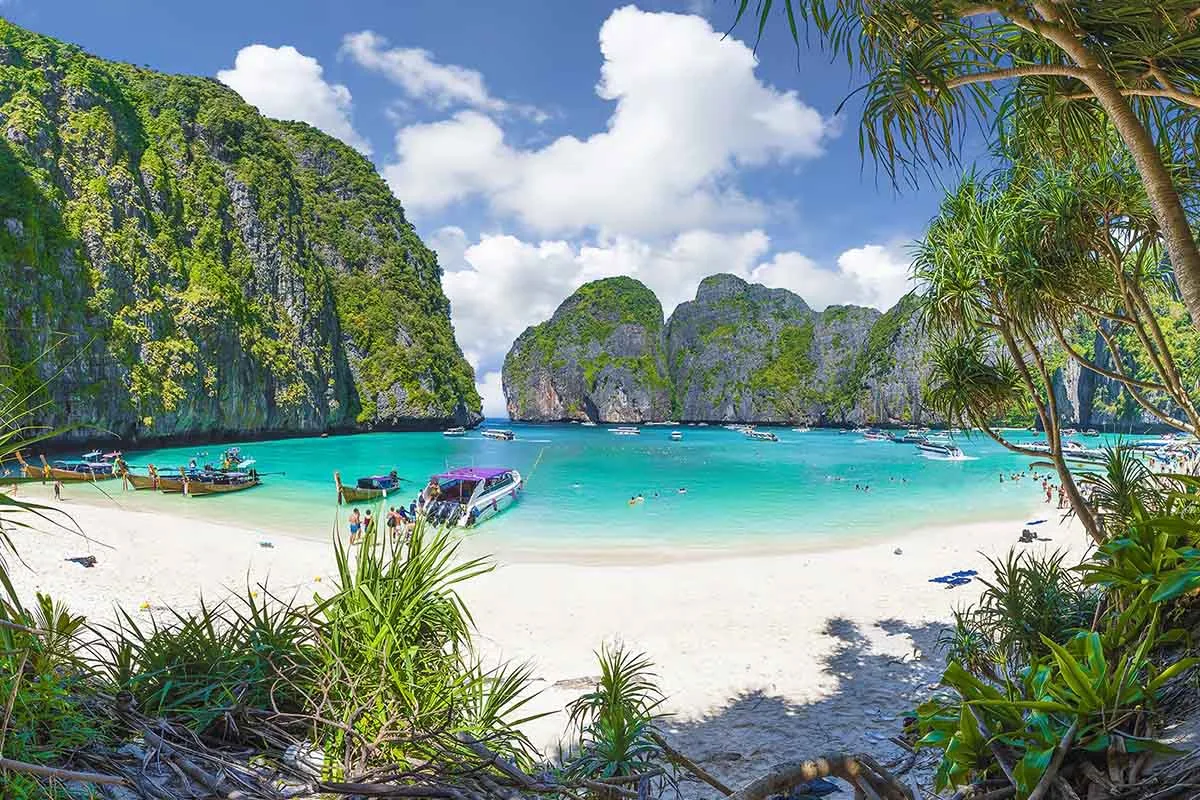
Southern Thailand Weather (Full Guide): West Coast vs. East Coast Explained
Southern Thailand is a tropical paradise — but with two coastlines, two monsoon seasons, and two totally different…
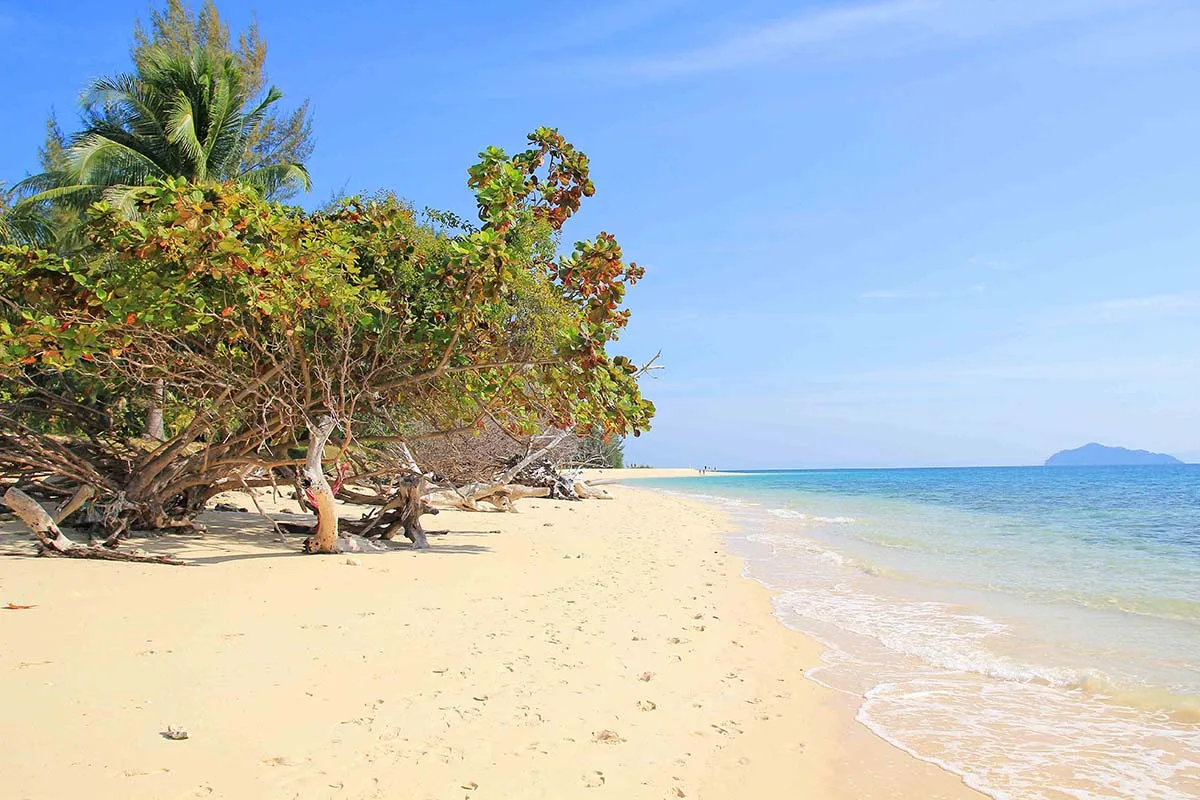
Hidden Gems of Thailand: 35 Underrated Paradises to Visit in 2025
When people dream of Thailand’s islands, places like Phuket, Koh Phi Phi, and Koh Samui often dominate the…
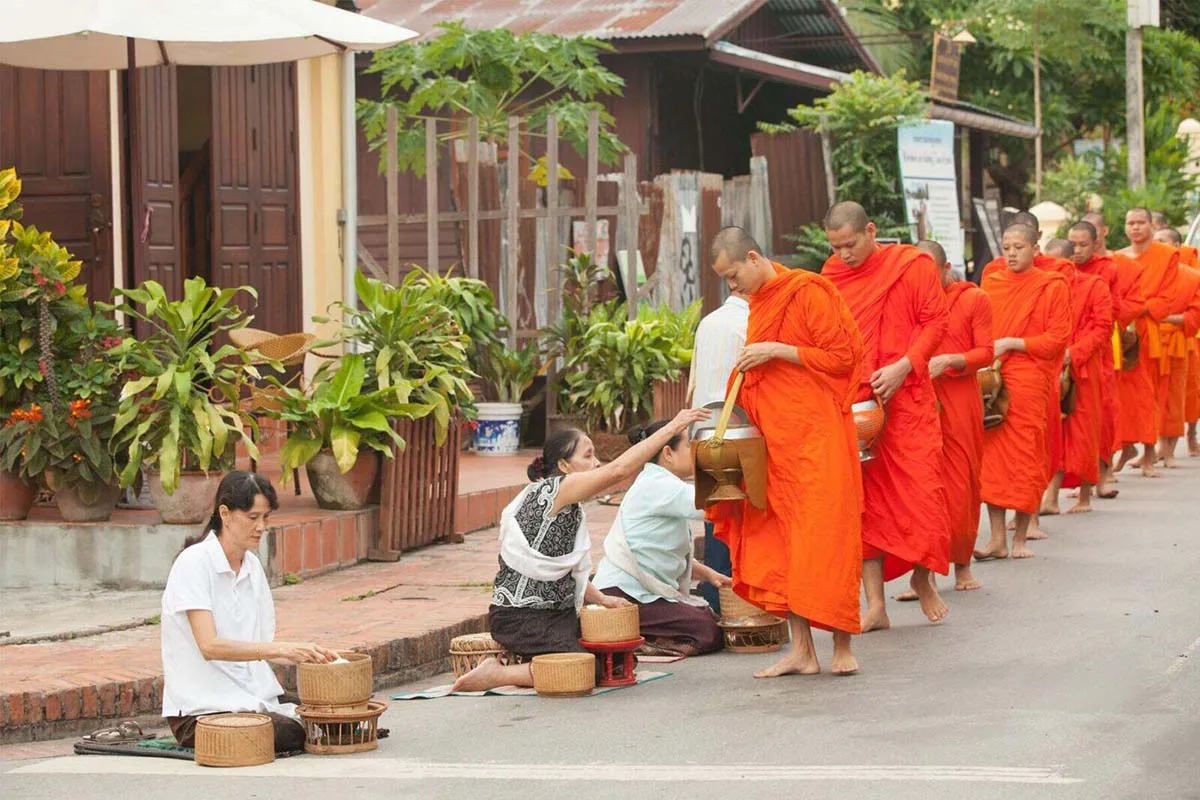
Life of Theravāda Monks in Thailand: Daily Routine, Rules & Spiritual Path
Introduction: A Life of Purpose and Simplicity Imagine waking up before dawn, donning a plain robe, leaving behind…