 By Ivica Srncevic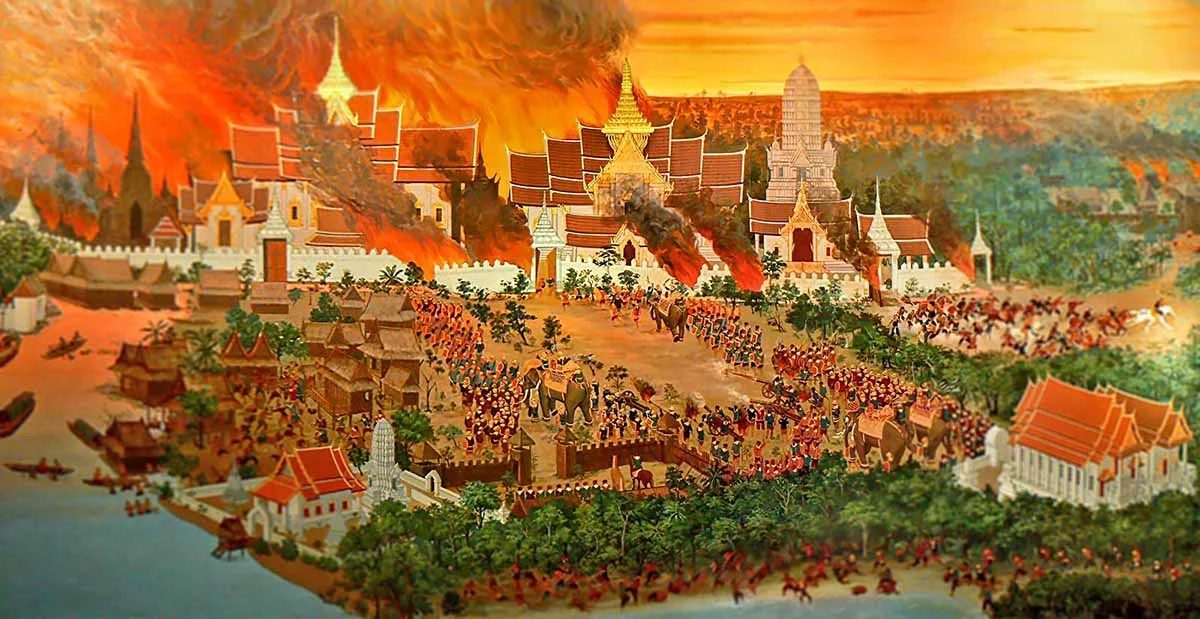
Introduction: Why Ayutthaya Still Matters
The Ayutthaya Kingdom wasn’t just a historical footnote—it was a global powerhouse. From 1350 to 1767, it stood as one of the most influential empires in Southeast Asia. Today, its legacy lives on through majestic ruins, cultural traditions, and the enduring spirit of Thai identity.
Founding of Ayutthaya: Strategic Brilliance
Founded in 1350 by King Ramathibodi I, Ayutthaya was strategically located between China, India, and the Malay Peninsula. This prime position turned it into a thriving international trade hub, attracting merchants from Portugal, Japan, Persia, and the Netherlands. Its canals and city planning earned it the nickname “Venice of the East.”
Golden Age of Ayutthaya: Trade, Temples & Power
Between the 14th and 17th centuries, Ayutthaya entered its golden age. Under King Narai the Great (1656–1688), the kingdom reached its peak in diplomacy, architecture, and wealth.
Wat Phra Si Sanphet: Ayutthaya’s most sacred temple, once housed a 16-meter golden Buddha.
Phra Mongkhon Bophit: A massive seated Buddha image still revered today.
Wat Mahathat: Famous for the Buddha head entwined in tree roots.
Royal Palace: A symbol of opulence and political power.
Ayutthaya wasn’t just rich—it was a spiritual and cultural beacon, influencing Thai art, religion, and governance for centuries.
Not only did Ayutthaya thrive economically, but it also became a spiritual and cultural center. The construction of Wat Phra Sri Sanphet, the kingdom’s most important temple, demonstrated the devotion of its rulers to Buddhism. This temple, located within the royal palace grounds, housed a massive 16-meter-tall Buddha image covered in gold, reflecting the kingdom’s immense wealth and reverence for Buddhism. Many other grand temples, including Phra Mongkhon Bophit and Wat Mahathat, contributed to Ayutthaya’s spiritual landscape, attracting pilgrims and scholars from across Asia.
Military Strength & Legal Legacy
Ayutthaya’s rise wasn’t just economic—it was backed by military might and legal innovation.
Fortified defenses and a navy protected vital trade routes.
King Ramathibodi II introduced a legal code that shaped Thai law for generations.
Diplomatic ties with European powers ensured Ayutthaya’s global relevance.
Not only was Ayutthaya an economic and cultural marvel, but it also commanded a formidable military. The kingdom successfully repelled numerous invasions and expanded its territory, solidifying its dominance in the region. Kings ruled with absolute power, enforcing strict laws and fostering diplomatic relations with European powers. The historical park, now a UNESCO World Heritage site, stands as a testament to its former grandeur.
Ayutthaya’s military prowess was a crucial factor in its rise to prominence. The kingdom maintained a well-trained army and a sophisticated defense system, including strategic fortresses and a navy that controlled vital waterways. Diplomacy also played a key role in its success, as Ayutthaya engaged in trade agreements and alliances with foreign nations. The reign of King Ramathibodi II further strengthened the kingdom by establishing a legal code that influenced Thai law for centuries.
The Fall of Ayutthaya: A Tragic End
In 1767, the Burmese army invaded and razed the city. Temples were looted, the Emerald Buddha was taken, and the royal palace was destroyed. The fall marked the end of a 417-year reign—but not the end of Ayutthaya’s influence.
Despite its resilience, Ayutthaya met a tragic end in 1767. The Burmese army launched a brutal attack, burning the city to the ground. The grand palace, the emerald Buddha, and countless sacred Buddha images were looted or destroyed. The once-thriving capital crumbled, marking the end of the Ayutthaya Kingdom. However, its legacy lived on. The kingdom’s influence shaped modern Thailand, and many of its traditions, including its architectural style, remain deeply rooted in Thai culture today.
For over 400 years, Ayutthaya stood as one of the most powerful and admired kingdoms in the world. The city’s fall was a devastating blow, but the memory of its grandeur continues to captivate historians and visitors alike. Although the kingdom no longer exists, its impact can still be seen in Thailand’s modern culture, government, and religious practices.
Ayutthaya Today: A Living Legacy
Now a UNESCO World Heritage Site, Ayutthaya Historical Park preserves the ruins of this once-great empire. Visitors can walk among ancient temples, admire Buddha images, and reflect on the city’s enduring legacy.
Wat Phra Si Sanphet and Wat Mahathat remain top attractions.
Ayutthaya Floating Market offers cultural immersion and local flavors.
The city’s layout and architecture continue to inspire Thai design.
Today, Ayutthaya Historical Park preserves the kingdom’s remarkable history. Visitors can explore the ruins of majestic temples like Wat Phra Sri Sanphet and Phra Mongkhon Bophit. The remnants of the royal palace whisper tales of past splendor, while the historical park offers a glimpse into a world of kings, warriors, and merchants. Recognized as a world heritage site, Ayutthaya continues to inspire travelers, historians, and dreamers alike.
A Journey Through Time
Whether you’re walking among the ancient ruins, marveling at the grand palace’s remains, or admiring the intricate details of Buddha images, Ayutthaya offers an unforgettable journey into the past. Its story of rise, prosperity, and resilience makes it one of the most fascinating chapters in history. So, if you ever find yourself in Thailand, don’t miss the chance to step back in time and witness the grandeur of the Ayutthaya Kingdom firsthand.