
You see the slick social media montages of fighters training in beachside camps or walking out under the flashing lights of legendary stadiums, and it looks like an effortless integration into Thai culture. The reality of engaging with Muay Thai on its home turf is a demanding, high-impact endeavor that requires physical durability and a sharp understanding of local training mechanics. Whether your goal is to drop weight in a fitness camp, sharpen your striking architecture, or stand in the historic concrete stands of Bangkok’s elite arenas, this guide strips away the romanticism to give you direct, logistical truths.
- 1Key Takeaways
- 2Quick Facts Block
- 3Overview & Cultural Significance
- 4What to See & Do
- 5What This Is NOT
- 6Choosing Your Training Hub
- 7Costs & Budgeting
- 8One Uncomfortable Travel Truth
- 9Tips & Etiquette
- 10Environmental Conditioning & Next Steps
- 11FAQ
- 12Do I need prior experience to train at a camp in Thailand?+
- 13Is it safe to go to live stadium fights?+
- 14Can I buy my gear at the gym?+
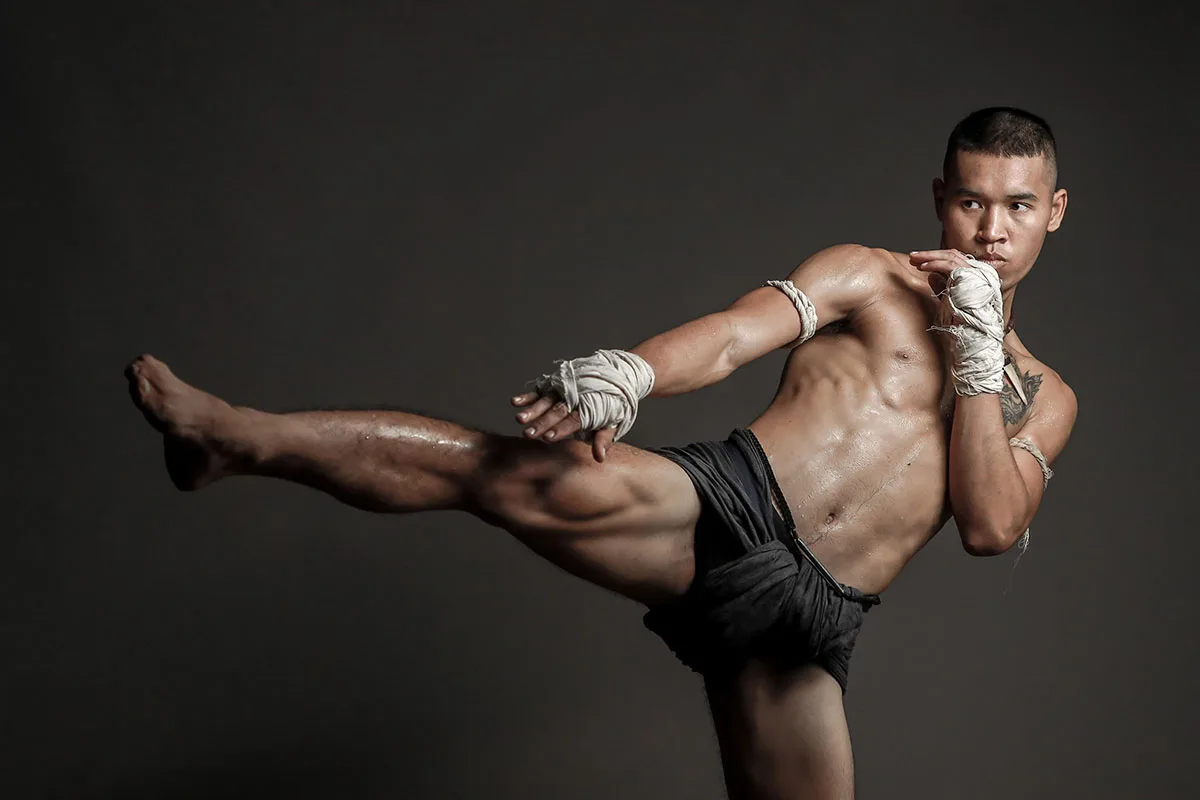
Key Takeaways
- Gyms operate on a strict tiered system: Absolute beginners share facilities with stadium champions but follow entirely separate technical tracks.
- The training schedule is relentless: A standard full-time camp demands twice-daily sessions beginning with early morning roadwork.
- Hidden costs sit in the gear and upkeep: While base training fees are predictable, equipment maintenance, proper hand protection, and nutrition require separate budgeting.
- Bangkok and the islands serve different goals: Capital city gyms prioritize hardcore, fight-ready technical volume, while coastal camps optimize for fitness, recovery, and lifestyle balance.
- Cultural etiquette dictates ring behavior: Respecting your Kru (trainer) and mastering fundamental safety rituals like wrapping your hands are non-negotiable baselines.
Quick Facts Block
- Core Weaponry: The “Art of Eight Limbs” utilizes punches, kicks, knees, and elbows.
- Major Stadium Hubs: Rajadamnern Stadium and Lumpinee Stadium (Bangkok), Patong Boxing Stadium (Phuket), and Phetchbuncha Stadium (Koh Samui).
- Standard Training Structure: A 90-to-120 minute loop consisting of skipping, shadowboxing, heavy bag work, padwork with a trainer, technical drilling, and core conditioning.
- Peak Live Fight Times: Wednesday, Friday, and Saturday evenings are the primary slots for major stadium cards.
- Mandatory Gear Check: 10oz to 16oz boxing gloves, 180-inch hand wraps, Muay Thai shorts, shin guards, and a mouthguard.
- Visas for Long-Term Stays: Short stays can utilize tourist entries, but long-term practitioners frequently look at the Destination Thailand Visa (DTV) for Muay Thai education tracks.
Overview & Cultural Significance
Muay Thai is not a modern sports science invention designed for a sterile fitness club; it is a centuries-old martial art evolved from Muay Boran, a system engineered directly for ancient warfare when Thai warriors lost their weapons on the battlefield. Over centuries, it transformed from a military survival system into the national sport and a core pillar of Thai cultural identity.
Every professional bout begins with the Wai Khru Ram Muay, a ritual dance where the fighter pays respect to their teachers, their gym, and their family, while clearing the ring of negative energy. This deep cultural scaffolding means you cannot treat a Muay Thai gym like a generic Western commercial gym. You are entering a traditional hierarchy built on mutual respect, discipline, and communal loyalty. Navigating these highly rigid cultural practices requires the same respect for custom as entering a sacred Buddhist monastery; learn the foundational etiquette in our guide to Tak Bat in Thailand: Meaning, Rituals & How to Participate.
What to See & Do
- Attend a Major Stadium Fight Card: To see the sport operating at its architectural peak, you must buy a ticket to Rajadamnern Stadium or Lumpinee Stadium in Bangkok. Rajadamnern provides an unmatched historic atmosphere with events like the Rajadamnern World Series (RWS), while Lumpinee showcases elite modern promotions like ONE Lumpinee.
- Train at a Local Camp: Immerse yourself in a training camp for a week or a month. Gyms like FA Group in Bangkok focus heavily on the grueling art of the clinch, while massive complexes like Tiger Muay Thai in Phuket provide multi-disciplinary facilities for all skill levels.
- Watch Regional and Island Bouts: For a more intimate, raw look at the local fight scene, catch a card at Patong Boxing Stadium in Phuket or Phetchbuncha Stadium on Koh Samui, where local talents routinely clash with international challengers.
What This Is NOT
This is not an effortless fitness retreat where you sip smoothies and occasionally hit a soft shield. True Thai training happens in open-air, non-air-conditioned steel and concrete gyms under intense tropical humidity. It is physically uncomfortable. Your shins will bruise, your hands will ache, and your cardiovascular capacity will be pushed to its absolute limits. If you expect immaculate, pristine five-star spa conditions during your padwork, you are in the wrong sport.
Choosing Your Training Hub
- Bangkok (The Hardcore Crucible): If your goal is purely technical mastery or fighting professionally, the capital is unmatched. The training culture here is fast-paced, traditional, and direct.
- Phuket (The International Hub): Centered around Chalong’s famous Soi Ta-iad, Phuket combines elite coaching with world-class infrastructure. It is the easiest place for beginners to start, as English proficiency is high and training programs seamlessly accommodate newcomers.
- Chiang Mai & The Islands (The Lifestyle Balance): For long-term stays where you want a slower pace of life, lower overhead costs, or beachside recovery, places like Chiang Mai, Koh Samui, and Koh Phangan offer highly reputable camps in a much more relaxed environment.
Costs & Budgeting
- Training Fees: Single drop-in sessions average 300 to 500 THB. A full-time monthly pass (covering 2 group sessions a day, 6 days a week) typically runs between 8,000 and 15,000 THB depending on the size and prestige of the facility.
- Gear Procurement: High-quality, authentic Thai-made gear (Fairtex, Twins, King) is exceptionally cheap inside Thailand compared to Western export prices. A premier pair of 10oz to 16oz leather gloves costs roughly 1,500 to 2,500 THB, while hand wraps and traditional shorts cost 300 to 600 THB each.
- Total Monthly Allocation: If you are planning a dedicated training stay, expect a total burn rate of 35,000 to 50,000 THB per month to comfortably cover professional training fees, localized air-conditioned accommodation, and high-protein nutrition required for recovery.
One Uncomfortable Travel Truth
The local gym infrastructure cares zero about your ego or your fitness level back home. If you turn up out of shape and demand to throw maximum-power roundhouse kicks immediately, a traditional trainer will quietly step back, let you burn your gas tank in three minutes, and then watch you suffer through the remaining hour of calisthenics. Furthermore, shared gym gear smells exactly like years of industrial-grade sweat. If you do not invest in your own hand wraps and gloves immediately, you risk picking up stubborn skin infections.
Tips & Etiquette
- Prioritize Technique Over Power: In your first few weeks, focus completely on balance, hip rotation, and clean mechanics. Power comes naturally once your skeletal alignment is correct.
- Wrap Your Hands Correctly Every Time: Never hit a heavy bag or leather Thai pads bare-handed or with cheap, flimsy wraps. The small bones in your wrist and knuckles require a solid, structural 180-inch wrap to avoid debilitating micro-fractures.
- Step Down the Intensity for Sparring: Unless you are prepping for a professional stadium bout, sparring in Thailand is highly playful, technical, and light (sabai sabai). Throwing full-power strikes during a casual sparring session is considered a massive breach of etiquette and an easy way to get targeted by a trainer looking to teach you a painful lesson.
Environmental Conditioning & Next Steps
Acclimatizing to the extreme tropical heat and seasonal monsoon humidity is half the battle when training in Thailand. Before booking a long-term fight camp, it is critical to plan your training calendar around regional weather systems; evaluate seasonal precipitation shifts across the northeastern corridors via our dedicated Isaan Weather Guide to gauge how high humidity levels will impact your recovery.
Once you have conditioned your shins and explored the urban camps, you can easily shift your training architecture outward. If you want to pair high-intensity combat sports with traditional high-altitude endurance training, pack your wraps and transition directly into our Loei Travel Guide: Navigating Thailand’s Mountain Frontier to test your lung capacity on the vertical trails of the north.
FAQ
No. Almost every major gym in Thailand runs dedicated foundational classes where trainers teach absolute beginners how to establish their stance, guard, and basic eight striking points from scratch.
Completely. Major venues like Rajadamnern and Lumpinee are highly professional, secure, and secure environments welcoming to international tourists, families, and local fans alike.
Yes. Most well-established training camps run on-site pro shops stocking authentic local brands, though you can find wider selections and slightly lower prices at dedicated wholesale fight shops in Bangkok or Phuket.
You Might Also Like
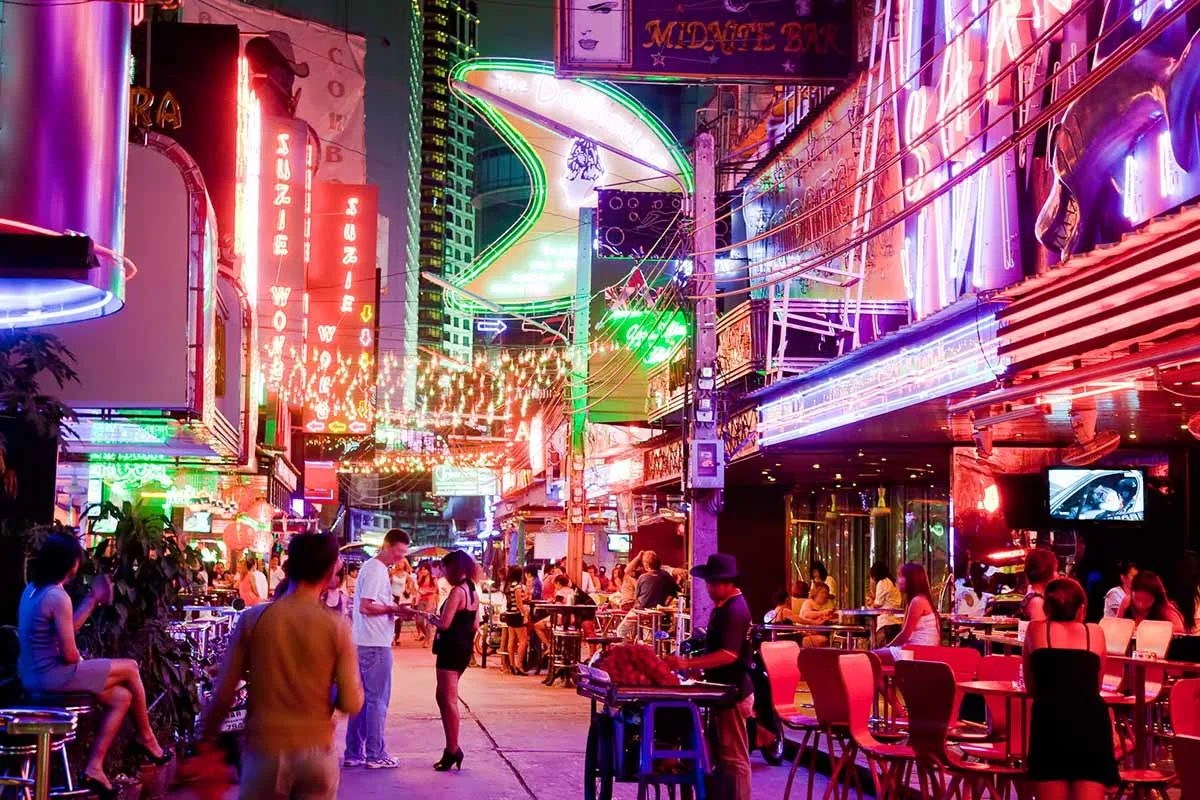
Pattaya Nightlife: A Wild, Fun, and Unforgettable Adventures
What is Pattaya Nightlife Like? Pattaya nightlife is legendary! It’s a mix of neon lights, vibrant bars, bustling…

Thailand vs Vietnam: The Real Travel Experience Comparison For 2026
Thailand and Vietnam are two of Southeast Asia’s heavyweights, but they deliver completely different travel experiences. Thailand is…
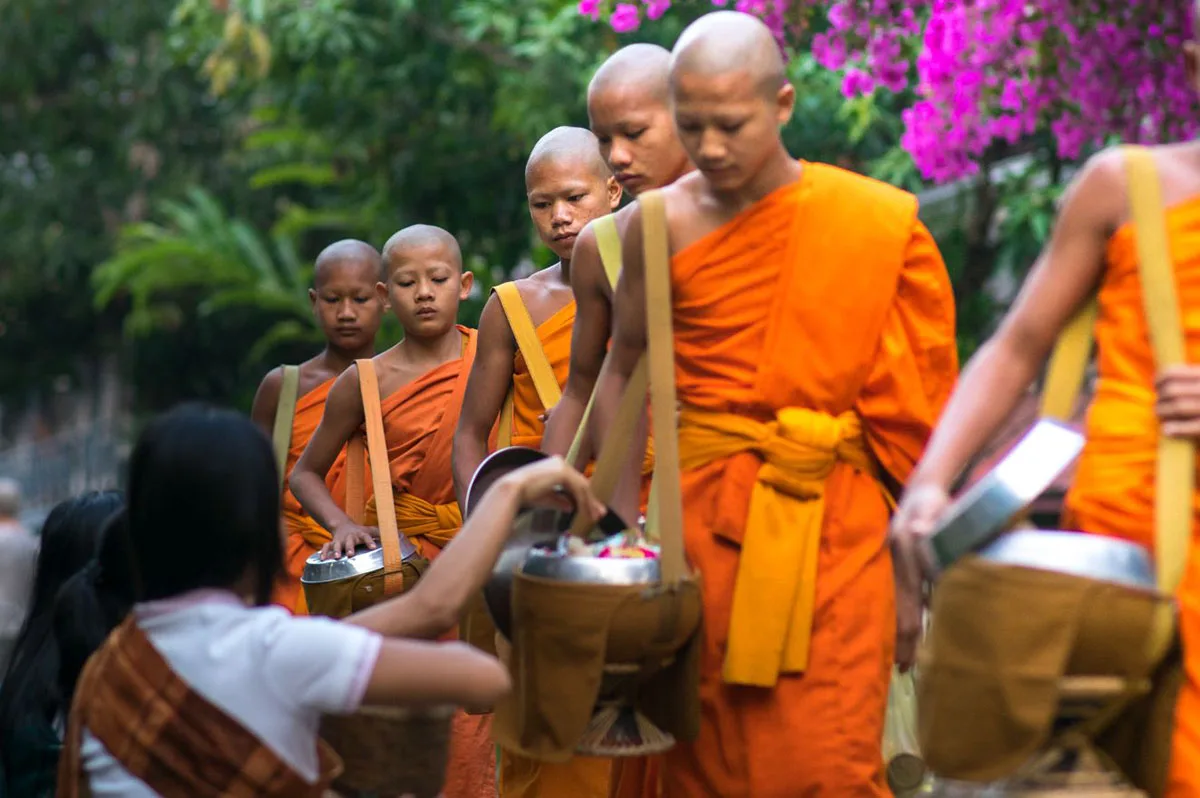
Why Buddhist Monks Wear Orange Robes: History, Meaning & Thai Tradition
If You’ve Ever Wondered “Why Orange?”… You’re not alone.Every visitor to Thailand eventually asks the same question after…