
Key Takeaways
- Thailand has three seasons – cool and dry (November-February), hot and dry (March-April), and wet (May-October) – but they don’t hit every region the same way or at the same time.
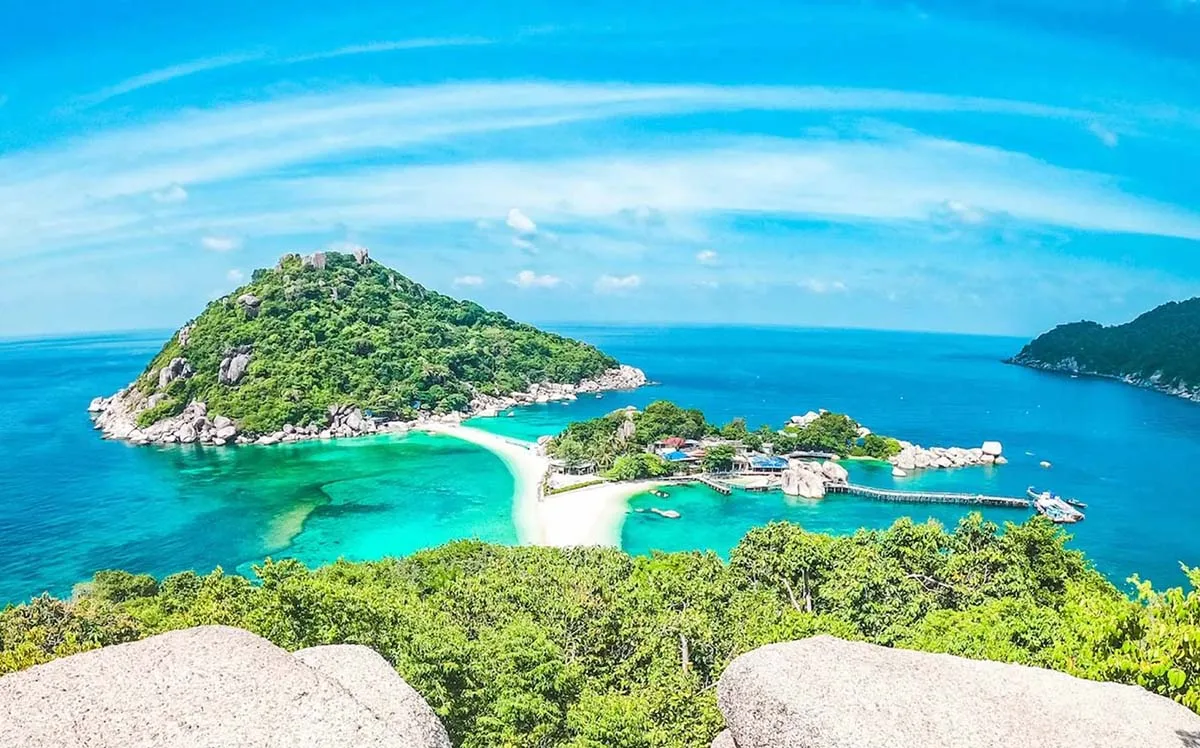
- The Gulf Coast (Koh Samui, Koh Phangan, Koh Tao) and the Andaman Coast (Phuket, Krabi, Koh Lanta) run on opposite weather calendars. Getting this wrong ruins beach trips.
- Peak season (December-February) delivers the best weather but costs 30-50% more and packs the most popular sites wall to wall.
- September is the cheapest month in the country. November is the best all-around month. April is the wildest. Each one has a reason to book it.
- No single month is objectively bad. Every month has a right traveler for it – the trick is knowing which one you are.
Nobody books a Thailand trip and thinks “I’ll just show up and see what happens.” You’re reading this because you want to match your dates to the right experience – the right weather, the right coast, the right crowd level, the right price. That’s exactly what this guide does. Every month, no filler.
- 1Key Takeaways
- 2What You Need to Know Before Reading This
- 3January – Peak Season, Peak Everything
- 4February – Still Perfect, Slightly Cheaper
- 5March – The Last Easy Month Before the Heat
- 6April – Songkran and Serious Heat
- 7May – The Shoulder Season Opportunity
- 8June – Full Green Season, Half the Price
- 9July – The Sweet Spot for Gulf Beaches
- 10August – Bangkok’s Secret Window
- 11September – The Cheapest Month in the Country
- 12October – The Country Comes Back to Life
- 13November – The Best All-Around Month
- 14December – Peak Season Returns
- 15Best Month by What You’re Actually After
- 16The Price of Getting the Month Wrong
- 17Summary
- 18Ready to Lock In Your Dates?
- 19Frequently Asked Questions
- 20What is the best month to visit Thailand overall?+
- 21Which months should I avoid in Thailand?+
- 22Is Thailand worth visiting during the rainy season?+
- 23When is Thailand cheapest?+
- 24What’s the weather like in Thailand in January?+
- 25When does Songkran happen and where is it best?+
What You Need to Know Before Reading This
Thailand doesn’t have four seasons. It has three, and they overlap depending on which coast you’re on. The cool dry season runs November through February – this is peak tourism, best weather, highest prices. The hot dry season covers March and April – still no rain, but temperatures climb to 38-40°C and humidity starts building. The wet season runs May through October, driven by the southwest monsoon.
But here’s the critical detail most guides bury: the Gulf Coast and the Andaman Coast are on opposite schedules. The Andaman (Phuket, Krabi, Koh Lanta) gets hammered by the southwest monsoon May-October. The Gulf (Koh Samui, Koh Phangan, Koh Tao) stays largely dry during those same months – their wet season is November-January. Pick the wrong coast for your dates and you’ll spend your beach holiday under a red flag. For the full regional breakdown, the handy coast-by-coast beach season guide is essential reading before you book.
Now. Month by month.
January – Peak Season, Peak Everything
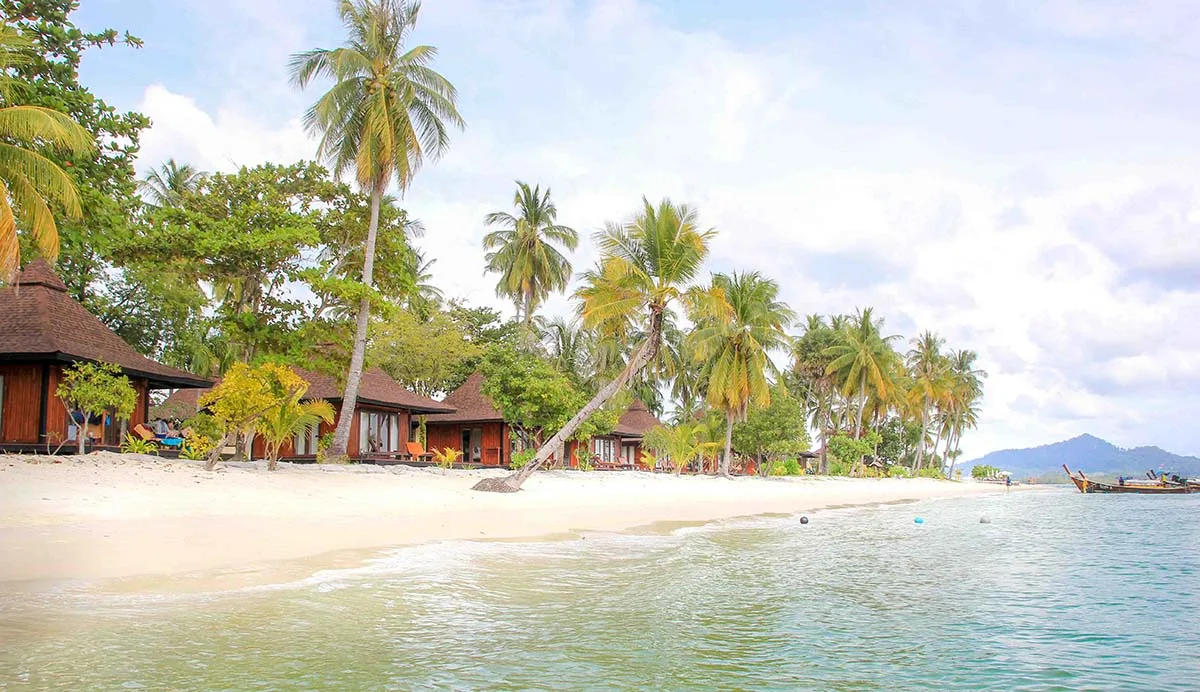
Weather: Dry, sunny, and genuinely comfortable across the whole country. Northern Thailand drops to 15-20°C at night – cold enough that locals wear puffer jackets while you’re still in a t-shirt. Bangkok sits around 28-32°C with low humidity. The Andaman Coast is at its flat-sea best. The Gulf Coast is equally pristine.
Where to go: Everywhere works in January, which is both the appeal and the problem. Phuket, Krabi, and Koh Lanta offer the best Andaman diving and snorkeling of the year – visibility can hit 20-30 meters. Chiang Mai in January is genuinely crisp and walkable, perfect for the Sunday Walking Street market and day trips into Doi Inthanon. Bangkok’s outdoor attractions – the Grand Palace complex, Wat Pho, the Chao Phraya riverside – are at their most tolerable temperature-wise.
Who it suits: First-timers who want everything to go right. Beach-focused travelers with no flexibility on sunshine. Anyone escaping a northern hemisphere winter and needing the psychological reset of guaranteed sun.
The honest trade-off: January is the most expensive month to visit Thailand, and the most crowded. Book accommodation three to four months ahead for Phuket and Krabi or you’ll be paying premium rates for whatever’s left. Koh Phi Phi in January feels like a floating festival – beautiful but shoulder-to-shoulder. The Grand Palace queue on a January morning can run 45 minutes before you’re through the gate.
February – Still Perfect, Slightly Cheaper

Weather: Essentially January with marginally thinner crowds and the first signs of rising temperatures in the north. Humidity stays low. Both coasts are in excellent shape. The Andaman sea remains flat and clear.
Where to go: Koh Tao in February is excellent – dive visibility peaks, whale sharks occasionally pass through, and the island hasn’t yet hit the Easter rush. Ayutthaya, the ancient capital an hour north of Bangkok, is genuinely atmospheric in the cool February air – the ruins at dawn before the tour buses arrive are worth the early start. Hua Hin on the Gulf upper coast is a relaxed alternative to the island crowds, with a long beach, decent seafood, and much calmer energy than Phuket.
Who it suits: Couples and honeymooners – February’s combination of reliably good weather, slightly reduced January crowds, and the Valentine’s season energy suits romantic travel well. Also strong for divers and snorkelers targeting the Gulf side.
The honest trade-off: February is still high season pricing. Not quite January rates, but close. And the tail end of February starts warming up in Bangkok noticeably – temple-heavy city itineraries become more physically demanding as the month progresses.
March – The Last Easy Month Before the Heat
Weather: The dry season’s final chapter. Temperatures climb fast – Bangkok regularly hits 35-38°C by mid-March, and the north warms up quickly too. Humidity is still relatively low, which makes the heat manageable, but the window is closing. Both coasts remain dry and generally good.
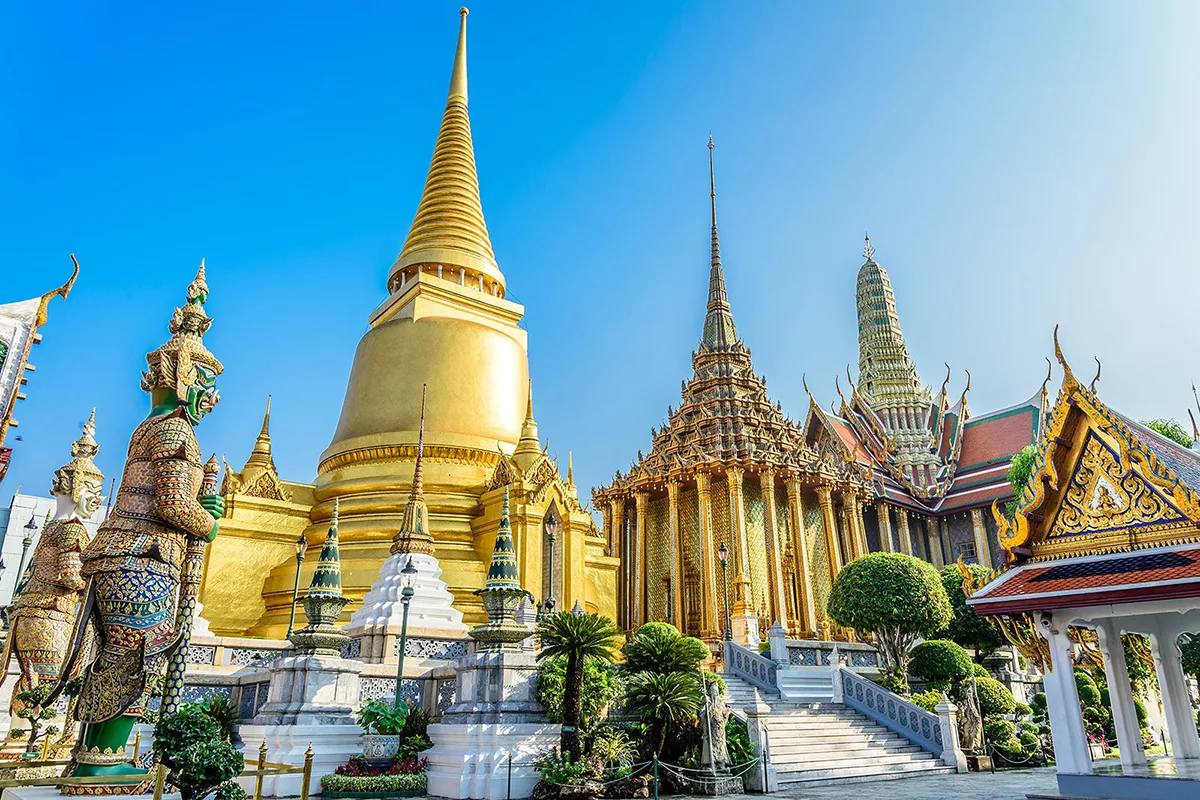
Where to go: Bangkok, Chiang Rai, and the northern cultural circuit work well because mornings are still bearable – get to Wat Phra Kaew or the White Temple by 8am, and you’ll finish before the heat becomes oppressive. Sukhothai and its historical park are excellent in March – the light in the late afternoon on the ancient chedis is extraordinary. Koh Samui and the Gulf islands are reliably sunny with good diving. Mango season peaks in March – the mango sticky rice you’ll find at night markets right now is the best version of it that exists.
Who it suits: Culture-focused travelers who want the dry season without peak-season pricing (which softens slightly from January-February levels). Temple hoppers, history fans, anyone doing an Ayutthaya or Sukhothai day trip from Bangkok.
The honest trade-off: March temperatures in central Thailand are genuinely brutal by midday. If your itinerary is heavy on outdoor walking – temple circuits, market exploration, historical parks – you need to be finished by noon or committed to afternoon air-conditioning. The heat is not a minor inconvenience; it’s 38°C with no shade at Angkor-equivalent sites.
April – Songkran and Serious Heat

Weather: The hottest month of the year, full stop. Bangkok regularly touches 40°C. Humidity begins building. The whole country is at maximum temperature before the monsoon breaks the cycle. And then Songkran arrives, which means you’ll spend April 13-15 soaking wet regardless of what the sky does.
Where to go: Chiang Mai for Songkran is the correct answer and always has been. The city transforms into a five-day water war – pickup trucks loaded with barrels patrol the moat road, every intersection becomes an ambush zone, and the energy is unlike anything else in Southeast Asian travel. Bangkok’s Silom Road Songkran and Khao San Road are the urban alternatives, equally chaotic. Pattaya runs its own version. For anyone wanting to avoid Songkran entirely, the islands are the escape route – Koh Phangan and Koh Tao are quieter during the festival period.
Who it suits: Travelers who came specifically for Songkran. Party-oriented visitors who want high energy, festival atmosphere, and don’t mind the heat because the water keeps coming. Anyone who understands that April is a commitment to chaos and accepts that going in.
The honest trade-off: Outside of Songkran, April is genuinely difficult. The heat makes sustained outdoor exploration punishing, domestic travel gets crowded and expensive around April 13-15 (book well ahead), and the pre-monsoon humidity in the last week of April starts feeling oppressive. If you’re not here for the festival, April is probably not your best choice.
May – The Shoulder Season Opportunity
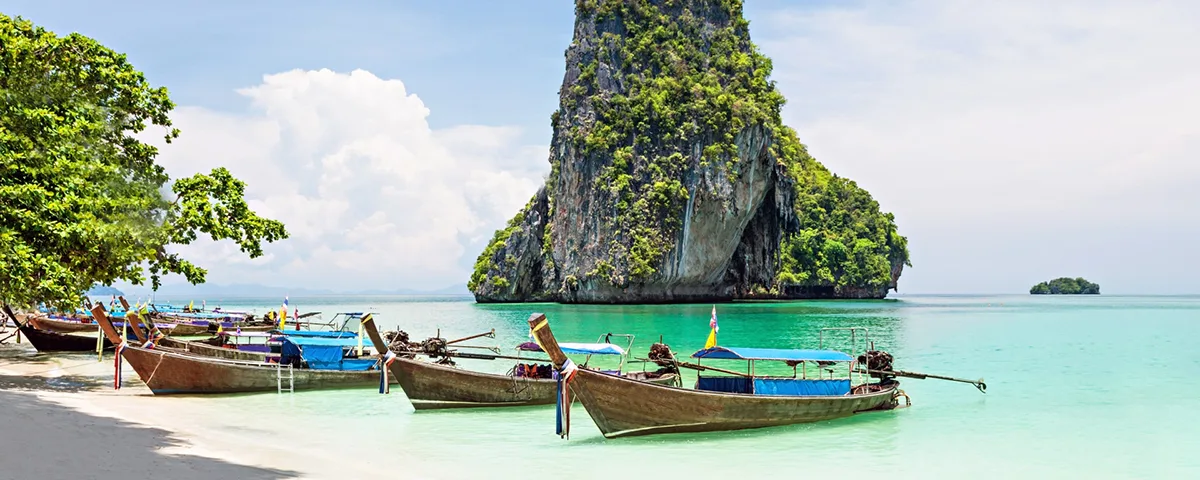
Weather: The monsoon begins its arrival, but gently. The first weeks of May are often still manageable – shorter, lighter showers, mostly in the afternoon. By the end of May, rain becomes more committed on the Andaman coast and central plains. Koh Samui and the Gulf islands remain largely dry. Temperatures actually drop slightly from April’s peak as humidity rises and cloud cover builds.
Where to go: Northern Thailand is excellent in May – Chiang Mai, Pai, and Chiang Rai get afternoon rains but mornings are reliably clear, temperatures are lower than April, and the landscape starts greening up dramatically. The Isaan region is spectacular in May: rice planting begins, the fields are vivid, and there are essentially no other foreign tourists. Koh Samui and Koh Tao on the Gulf coast are still sunny and beach-viable with prices already 20-25% below January levels.
Who it suits: Budget travelers taking their first step into low season pricing. Digital nomads who need reliable mornings for work and don’t mind afternoon rain. Nature photographers chasing the green season transformation.
The honest trade-off: The Andaman coast starts becoming unreliable from mid-May. Phuket, Krabi, and Koh Lanta beach days require a flexible attitude from here until October. Don’t book a non-refundable Andaman itinerary in May expecting January conditions.
June – Full Green Season, Half the Price

Weather: The southwest monsoon is committed across the Andaman coast and central Thailand by June. Afternoon rains are heavier and longer – expect 1-2 hours rather than 30 minutes. Northern Thailand receives regular rain but rarely all-day. The Gulf Coast holds its rain shadow protection and stays largely sunny through June.
Where to go: This is when Doi Inthanon National Park peaks visually. Thailand’s highest point at 2,565 meters is wrapped in mist, the twin chedis are surrounded by cloud forest, and Namtok Mae Klang waterfall is running at full force. Nan province, deeply undervisited, is emerald green and genuinely beautiful in June. The Isaan towns of Ubon Ratchathani and Loei are in peak rice-planting season with almost no tourism. For beaches, Koh Samui and Koh Tao are still the right call – Gulf Coast sunshine with 35-40% lower prices than February.
Who it suits: Photographers and nature travelers who want to see Thailand’s landscape at maximum visual intensity. Budget-conscious travelers who want the Gulf beach experience without peak-season pricing. Off-the-beaten-path explorers who find the crowds of December unpleasant.
The honest trade-off: Andaman diving visibility drops significantly in June – the sediment stirred by monsoon swells reduces underwater clarity from 20-30m down to 5-10m on bad days. Phuket and Krabi beaches are under red flags regularly. Don’t plan Andaman water activities expecting dry-season conditions.
July – The Sweet Spot for Gulf Beaches

Weather: Deep monsoon on the Andaman side and inland. The Gulf islands – Koh Samui, Koh Phangan, Koh Tao – remain in their protected dry window with mostly sunny skies and calm seas. Northern Thailand gets regular afternoon rains with clear mornings. Bangkok receives more rain than June but the drainage is generally functional and the city operates normally.
Where to go: Koh Tao in July is one of the most underrated timing decisions in Thai travel. Dive visibility in the Gulf is excellent, whale sharks are occasionally spotted, PADI courses cost 20-30% less than peak season, and the beaches aren’t choked. Koh Phangan without its peak-season Full Moon Party crowd (the party still runs, just smaller) is a very different experience – quieter bays, better snorkeling, more space. Inland, Ubon Ratchathani‘s Candle Festival is one of the most spectacular Buddhist events in the country – massive hand-carved wax sculptures paraded through the city – and almost entirely unknown to international tourists. Pai in the north is atmospheric, misty, and full of waterfalls.
Who it suits: Divers and snorkelers targeting the Gulf. Festival seekers who want something culturally significant without Songkran-level crowds. Travelers wanting Gulf beach quality at 40% below January pricing. For building a July itinerary around the actual weather, the sample itineraries based on season guide shows how a Gulf-and-north circuit works in practice.
The honest trade-off: Koh Phi Phi and the full Andaman island chain are not viable in July for beach holidays. The Krabi to Koh Phi Phi ferry runs but the crossing can be rough, cancellations happen, and the beaches aren’t at their best. If your heart is set on Andaman islands, July is the wrong month.
August – Bangkok’s Secret Window
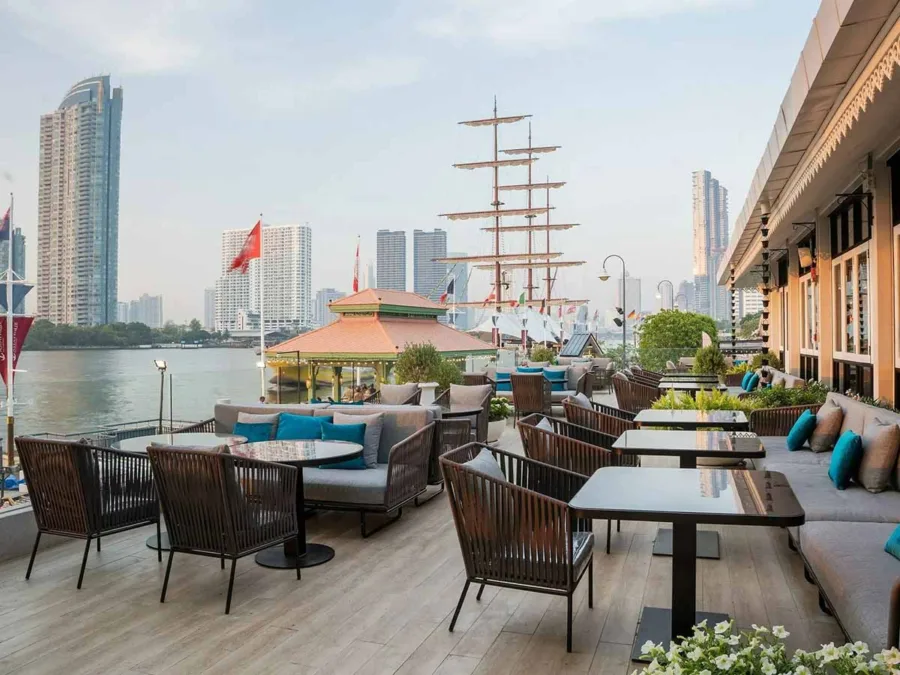
Weather: The Andaman coast takes its heaviest rain in August. But central Thailand – including Bangkok – often experiences a mid-monsoon lull with noticeably lighter rainfall than July. The Gulf islands stay protected. Northern Thailand continues its afternoon rain pattern with clear mornings. Evenings across the whole country produce extraordinary sunsets; the cloud dynamics and humidity create colors that simply don’t exist in December.
Where to go: Bangkok in August is genuinely underrated. The mid-season lull means fewer afternoon interruptions, temperatures are high but not April-brutal, and the city’s indoor and covered cultural infrastructure operates without weather interference – the Grand Palace, Wat Pho, the Bangkok Art and Culture Centre, Chatuchak Weekend Market, Yaowarat Road’s Chinatown at night. Hotel prices here can be 45-50% below January peak. Riverside properties that are completely unaffordable in high season become accessible. Koh Samui and Koh Phangan remain beach-viable with often spectacular evening skies.
Who it suits: Urban travelers focused on Bangkok’s culture, food, and nightlife over beach time. Travelers on tighter budgets who want city-focused Thailand at significantly reduced rates. Slow travelers who appreciate atmosphere over guaranteed sunshine.
The honest trade-off: Delete your weather app for August. It will show a permanent thunderstorm icon every single day and it will be wrong most mornings. International weather platforms use generalized regional data – local expats don’t look at them. Watch the sky at 7am. If it’s clear, you have the morning. Plan around that and August becomes very manageable.
September – The Cheapest Month in the Country
Weather: Peak rainfall across most of Thailand. September is the wettest month nationally, with the highest chance of multi-day rain and the most likely window for tropical depressions. The Gulf coast also sees increased rain from the northeast now, making even Koh Samui less reliable than earlier months. This is the month that requires the most flexibility.
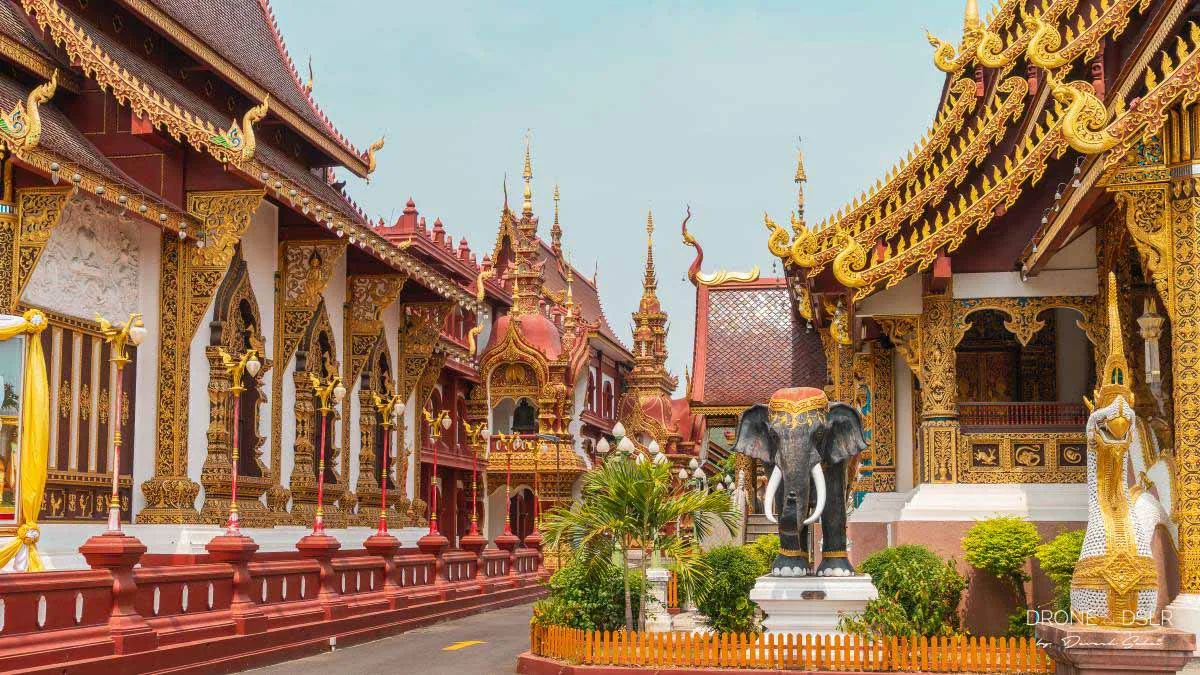
Where to go: Bangkok is the strongest September base – the city’s world-class indoor infrastructure (temples, museums, markets, cooking schools, massage courses, Asiatique riverfront) doesn’t need sunshine. Kanchanaburi west of Bangkok is dramatically green right now; the Death Railway bridge over the River Kwai with full monsoon flow behind it looks nothing like its dry-season version. The Ayutthaya historical park in September, at dawn, with mist rising off the flooded moat and virtually no other tourists – that’s an experience that simply doesn’t exist in January and is worth the rain trade-off. For context on exactly how much cheaper September is, the cheapest time to visit Thailand guide has the detailed numbers.
Who it suits: Budget travelers who want maximum value and minimum crowds. Solo travelers and writers who want the country at its quietest and most atmospheric. Anyone specifically after the moody, green, rain-soaked version of Thailand rather than the postcard version.
The honest trade-off: September is genuinely not the month for remote island-hopping, long scooter routes through mountain passes, or river rafting. Travel insurance matters more this month than any other. Build in extra days as buffer. Have indoor backup plans ready every single day.
October – The Country Comes Back to Life
Weather: The transition month – and a genuinely good one if you time it right. The southwest monsoon weakens progressively across central Thailand and the Andaman coast through October, with the second half noticeably drier than the first. Northern Thailand cools down significantly; mountain mornings start appearing misty and cold by Thai standards (15-18°C in Chiang Mai by late October). The Gulf coast, however, sees its own wet season properly beginning – October through November are the roughest months for Koh Samui.
Where to go: Chiang Mai from mid-October is one of the best timing calls in Thai travel. Temperatures drop to 20-25°C, the air clears after months of monsoon humidity, and the city fills with pre-festival energy ahead of Loy Krathong. Chiang Rai and the surrounding hill tribe villages are stunning in October – cool, green, and atmospheric. Phuket reopens meaningfully in the second half of October: beaches clear, dive operations resume, and prices are still 30-35% below peak season. The Phuket Vegetarian Festival is one of the most intense cultural experiences in Southeast Asia – fire-walking, blade-climbing, and cheek-piercing street processions that you either come for specifically or give a wide berth.
Who it suits: Festival hunters and cultural travelers. Anyone wanting the Andaman coast at lower prices as it reopens. Travelers who want Chiang Mai at its most atmospheric before the peak-season crowds arrive in November.
The honest trade-off: Don’t book Gulf island beach time in October. Koh Samui and Koh Phangan take their most sustained wave and rain hits right now – this is their monsoon peak. The timing difference between Gulf and Andaman is exactly reversed from what it is in June, and getting it wrong means a genuinely disappointing beach trip.
November – The Best All-Around Month

Weather: Clear, dry, and comfortable across almost the entire country. The southwest monsoon has retreated. Northern Thailand is cool and crisp – 18-24°C in Chiang Mai, perfect walking weather. Bangkok sits at a genuinely pleasant 28-30°C. The Andaman coast is fully open with flat seas and excellent visibility returning. The only caveat is the Gulf coast, which sees its own wet season through November – Koh Samui gets some rain this month.
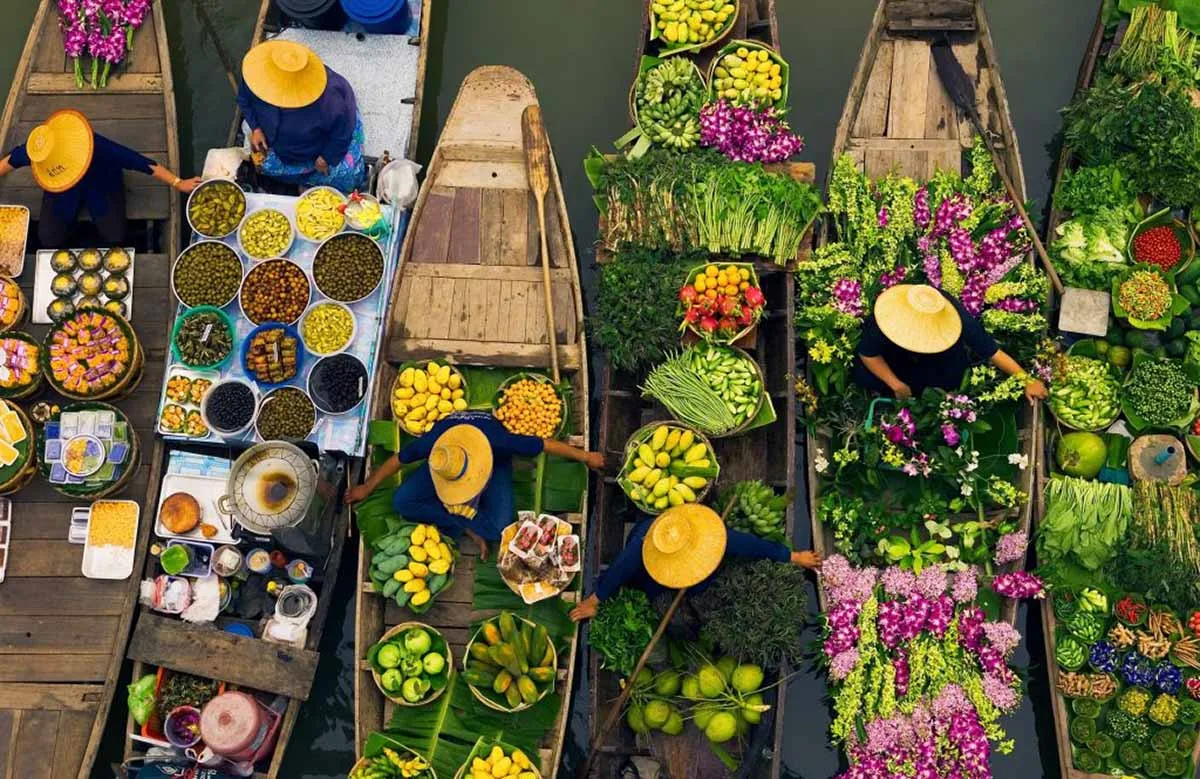
Where to go: Chiang Mai for Loy Krathong and Yi Peng is the headline – thousands of sky lanterns released simultaneously over the moat and the Ping River is one of those experiences that doesn’t need a filter or an explanation. Sukhothai’s Loy Krathong celebrations are quieter and arguably more beautiful than Chiang Mai’s. Krabi and the Andaman islands are back in full form – the limestone karst scenery at Railay Beach with flat November seas is exceptional. Bangkok is excellent for first-timers and returnees alike – all the culture, manageable temperatures, and no weather interruptions.
Who it suits: Honestly, almost everyone. First-timers, honeymooners, families, culture travelers, beach seekers – November delivers across all categories. It’s the month where you don’t need to choose between regions because most of them are working simultaneously. Check the best time to visit Thailand guide and November comes up in almost every category.
The honest trade-off: November is increasingly popular, and prices are climbing back toward December levels by the second half of the month. Book accommodation early for Chiang Mai during Loy Krathong – the festival dates shift with the lunar calendar each year, and the city fills up fast around that window. Koh Samui is the one exception to November’s otherwise excellent weather picture.
December – Peak Season Returns
Weather: Full dry season across most of the country. The Andaman coast is at its clearest and calmest. Bangkok is genuinely pleasant – around 28-32°C with low humidity. Northern Thailand gets cool at night. The Gulf islands have mostly cleared their wet season by December, though early December can still see some Gulf rain. By the last two weeks, it’s reliable everywhere.
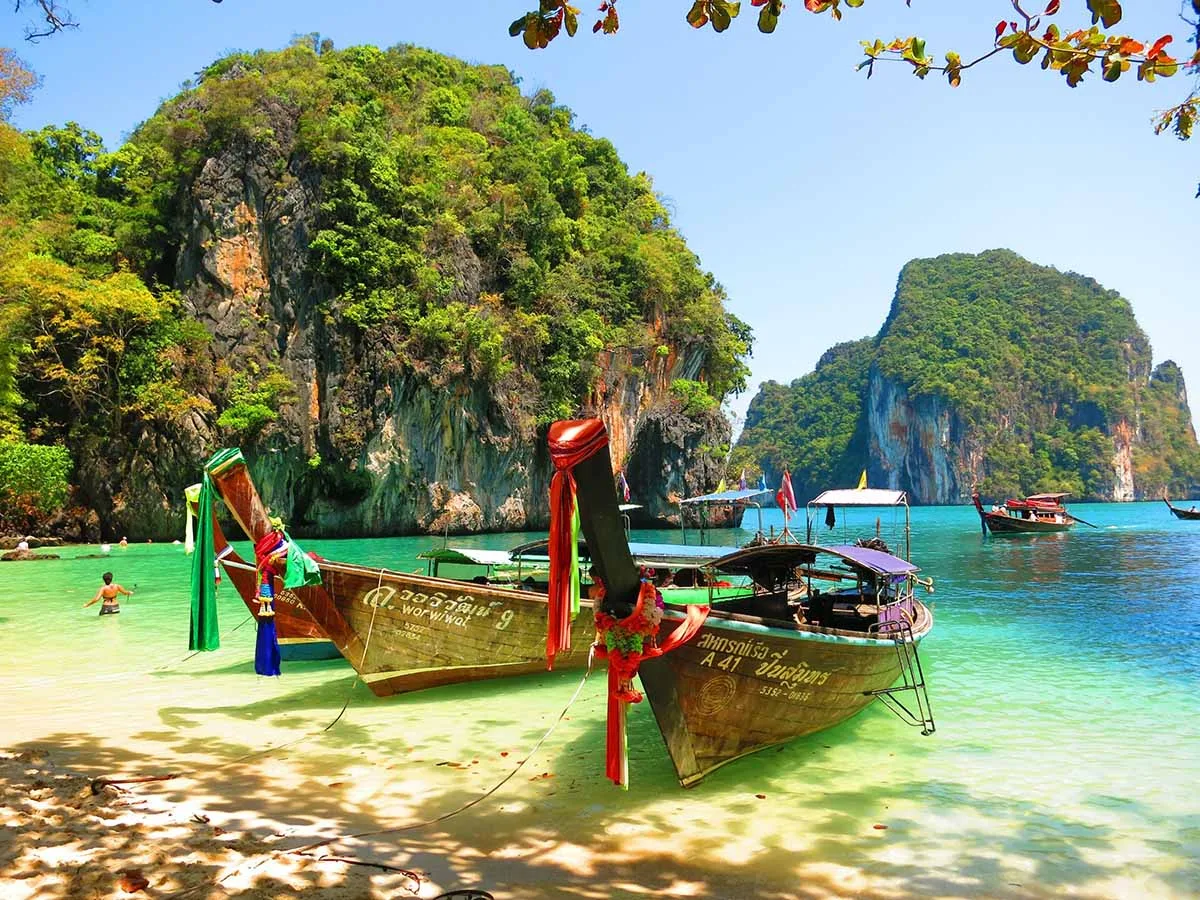
Where to go: Phuket, Krabi, and Koh Phi Phi are the obvious choices – the Andaman is at peak condition and the Christmas-New Year period fills these places with an energy that’s hard to replicate. Bangkok in December is excellent: the city puts up Christmas lights around Siam, CentralWorld, and Sukhumvit, which creates a surreal tropical-festive atmosphere that’s uniquely Bangkok. Koh Tao and Koh Phangan are strong Gulf alternatives with slightly lower prices and fewer crowds than the Andaman hotspots. New Year’s Eve on the Chao Phraya river in Bangkok, at a beach party in Koh Samui, or watching sky lanterns released in Chiang Mai – all three are legitimate options. For packing the right gear across December’s varied regional temperatures, the what to pack for Thailand guide covers it properly.
Who it suits: Holidaymakers combining Christmas and New Year with guaranteed sunshine. Families who need reliable weather and don’t want logistical uncertainty. Anyone escaping a northern hemisphere winter who needs the psychological opposite of what they left behind.
The honest trade-off: December is expensive – particularly the last two weeks, when accommodation across Phuket, Krabi, and Bangkok peaks at its highest rates of the year. New Year’s Eve specifically sees a massive pricing surge for beachfront properties. Book three to four months ahead or budget for it properly. And understand that December is when Thailand is at maximum tourist volume – the Grand Palace, Wat Pho, and the Phi Phi boat tours will be crowded in a way that requires patience.
Best Month by What You’re Actually After
| If you want… | Best month | Why |
|---|---|---|
| Perfect beach weather, Andaman | January, February | Flat seas, peak visibility, zero rain risk |
| Perfect beach weather, Gulf | July, August | Rain shadow protection, 40% cheaper |
| Maximum savings | September | 40-55% below peak across accommodation and transport |
| Fewest crowds | September, August | Lowest tourist numbers of the year |
| Best festivals | April (Songkran), November (Loy Krathong) | Nothing else compares |
| Best for nature and scenery | June, July | Waterfalls at force, rice fields at peak green |
| Best all-around | November | Good weather everywhere, festivals, prices not yet peak |
| Culture without the heat | November, February | Cool enough to walk all day |
| Diving, Gulf side | July, August | Visibility, whale sharks, lower course prices |
| Diving, Andaman side | January, February | Peak visibility, calm seas |
The Price of Getting the Month Wrong
Every month has a right traveler for it. But the wrong month for the wrong traveler costs real money and real frustration. Booking Phuket in August expecting January beach conditions leads to red-flag disappointment. Booking Chiang Mai in April without accounting for Songkran chaos leads to a very different trip than planned. Booking September without flexibility leads to weather-induced stress. The month-by-month approach isn’t about finding the “best” month – it’s about matching your priorities, budget, and tolerance for disruption to the month that actually fits.
For the full regional weather picture across every month, the Thailand month-by-month weather guide goes deep on rainfall data, temperature ranges, and sea conditions coast by coast.
Summary
- November is the best single month if you have no other constraints – good weather everywhere, festivals, manageable prices.
- January-February deliver peak conditions at peak prices. Worth it if weather certainty matters more than budget.
- March is the last comfortable month before the heat escalates – good value, good weather, underused.
- April is for Songkran specifically. Otherwise it’s the hardest month to enjoy.
- May-June are shoulder season sweet spots – Gulf Coast beaches still working, prices dropping, nature coming alive.
- July-August are the hidden value months for Gulf beaches – same sunshine as February, 40% cheaper.
- September is the cheapest month in Thailand and rewards flexible, urban-focused travelers enormously.
- October is the turnaround – Andaman reopening, north cooling down, Loy Krathong approaching.
- December is peak season again – all the appeal of January with Christmas and New Year energy layered on top.
Ready to Lock In Your Dates?
Use the month breakdown above to match your travel window to the right region, then plan your actual route using our season-based itinerary guide. And if your dates fall in the shoulder or wet season, the cheapest time to visit Thailand guide shows exactly how far your budget goes when the crowds stay home.
Frequently Asked Questions
November, consistently. The southwest monsoon has cleared, temperatures are comfortable across the whole country, the Andaman coast is fully open, and Loy Krathong and Yi Peng make Chiang Mai genuinely extraordinary. It’s the one month where almost every type of traveler gets what they came for.
There’s no universally bad month – but April is the hardest to enjoy outside of Songkran, because of extreme heat and the festival pricing and crowd surge. September requires the most flexibility due to peak rainfall. The key is not which month to avoid globally, but which month-and-region combination to avoid – like the Andaman coast in July, or the Gulf coast in November.
Yes, genuinely – if you understand which coast to target and what the rain actually looks like on the ground. Rain rarely lasts all day; the standard pattern is clear mornings and a heavy 30-40 minute downpour in the afternoon. The Gulf Coast stays largely dry May-October. Savings run 30-50% below peak rates. The landscape is at its most vivid. The crowds are gone.
September is the cheapest month nationally, with accommodation and transport running 40-55% below January-February peak rates. May and June offer the best balance of savings without September’s full rainfall commitment.
January is peak dry season – clear, sunny, and low humidity across the whole country. The Andaman coast has flat seas and excellent dive visibility. Northern Thailand is cool at night (15-20°C). It’s the most expensive and most crowded month of the year.
Songkran, the Thai New Year water festival, runs April 13-15 nationally with some cities extending it longer. Chiang Mai is the most intense experience – a multi-day water war centered on the old moat road. Bangkok’s Silom and Khao San areas run their own versions. Book accommodation two to three months ahead for either city during this period.
You Might Also Like
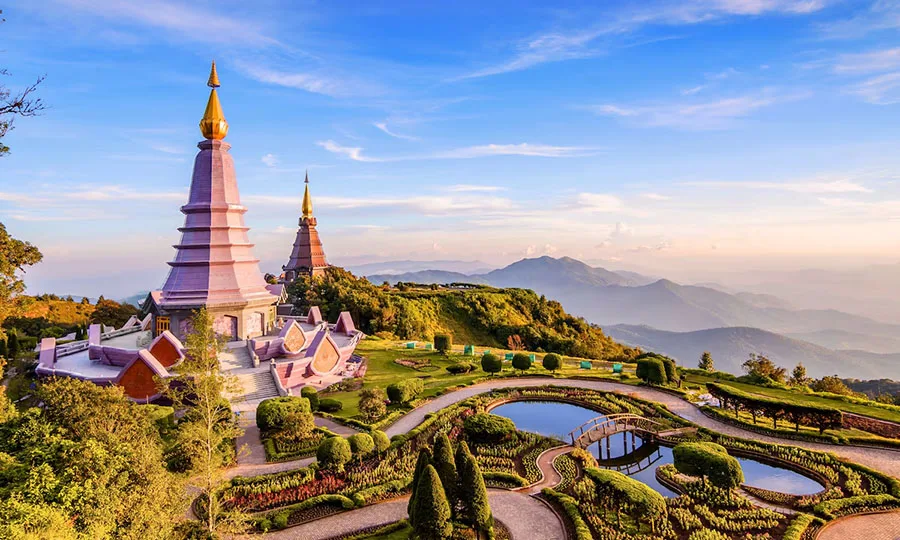
Doi Inthanon Travel Guide: Mastering Thailand’s Highest Peak
Standing on the summit of Doi Inthanon in a lightweight hoody while watching your breath condense in the…
Thailand Named “Destination of the Year for 2025”
Thailand: The World’s Favorite Getaway in 2025 Pack your bags, book your tickets, and prepare your taste buds…


Thailand vs Philippines
Two Southeast Asian icons. Two completely different travel styles. Let’s compare them Thai HUB style. 📋 Table of…